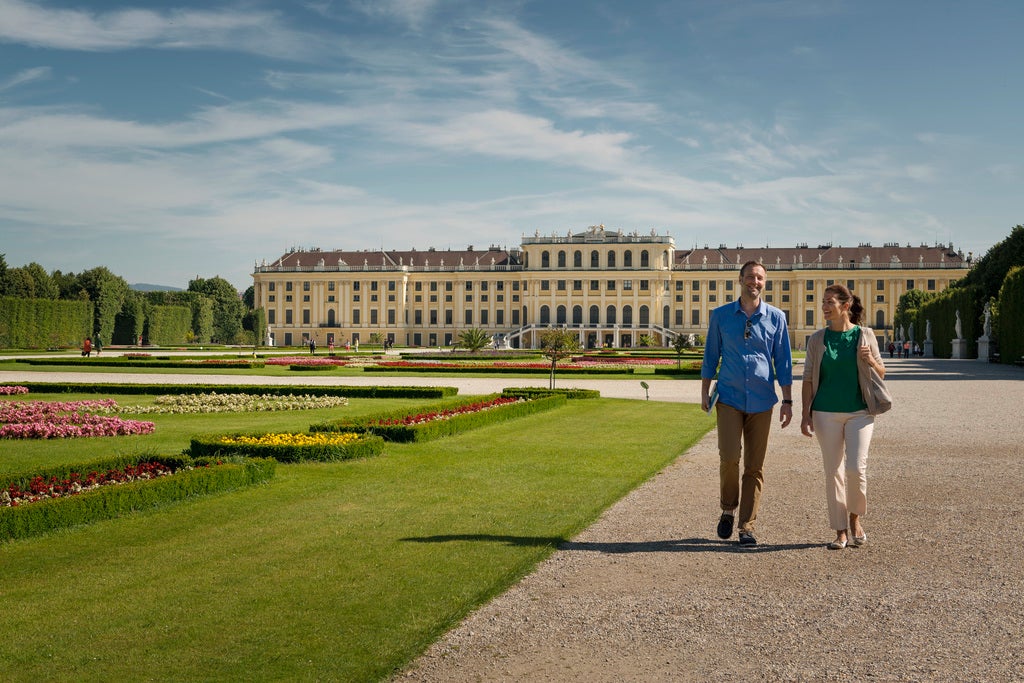
At the time when Vienna was at the height of its flowering as the centre of the Habsburg empire, architectural gems went up all over it. The city then came through the wars without major damage. That is how the Hofburg palace complex and the Schönbrunn summer palace stayed so perfectly preserved; in 2017 both staged exhibitions about the ruler Maria Theresa.
Vienna is said to look its best in spring. In 2017 the Austrian capital and the whole country marked 300 years since the birth of Empress Maria Theresa. The city on the Danube has plenty of references to other rulers who shaped Czech history in fundamental ways as well.
Rudolf II, for instance, the enlightened absolutist Joseph II, or the longest-reigning Habsburg, Franz Joseph. The city may feel close to Czechs for another reason too: in many respects its atmosphere is reminiscent of Prague.
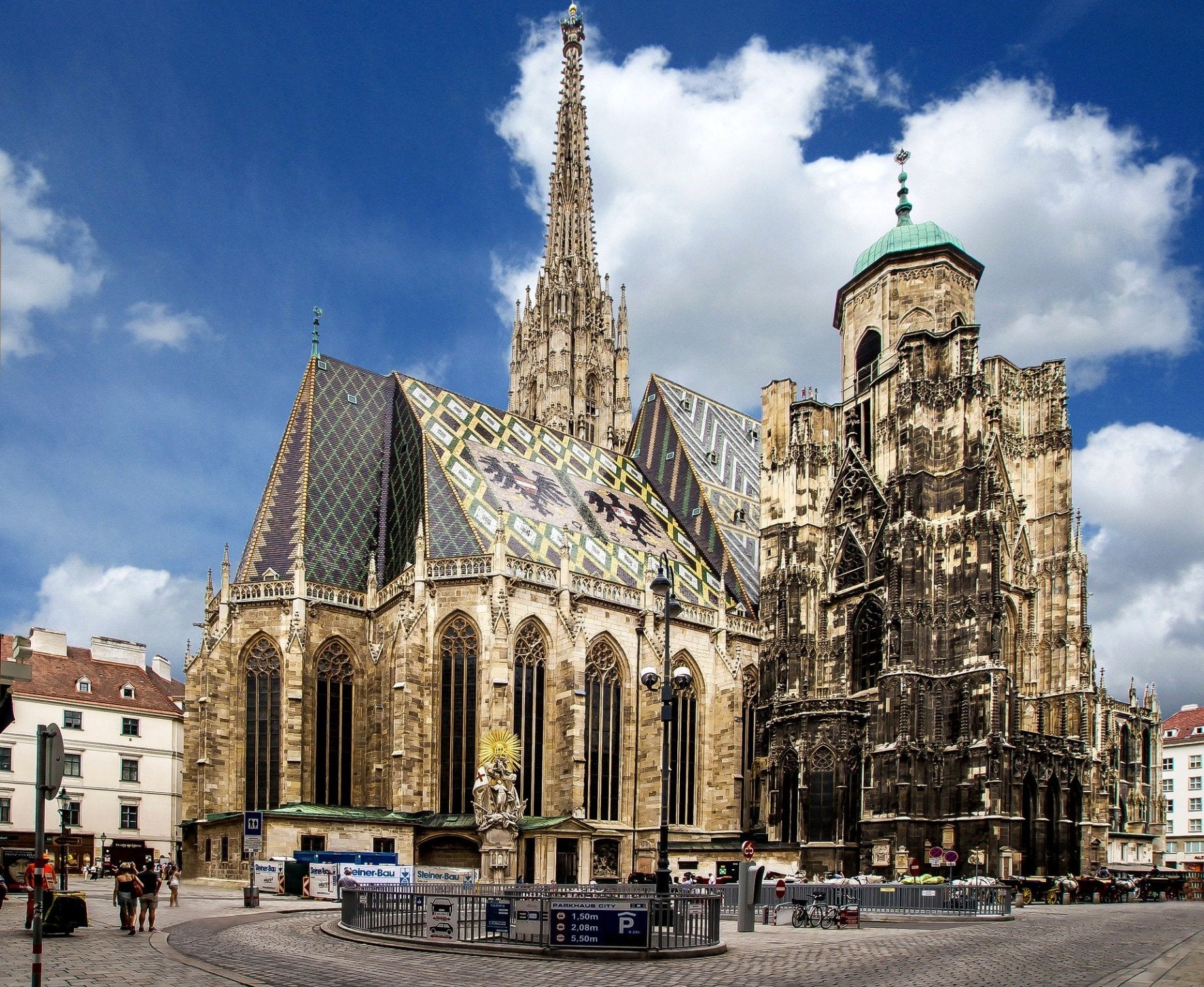
A twenty-tonne bell rings at St Stephen’s
The first symbol of old Vienna, visible from far off and the natural landmark of the historic centre, is the Gothic St Stephen’s Cathedral. The tallest of its four towers – the south one – is almost 136 metres high. The cathedral’s north tower holds Austria’s largest bell, the Pummerin, which weighs more than 20 tonnes.
It is a replacement for the original “old” Pummerin, cast from the metal of almost 300 cannon captured when the Turks besieging Vienna were defeated in 1683. Buried beneath the cathedral, among others, is the body of Frederick III the Handsome, together with urns holding the entrails of Ferdinand II and Charles VI.
The emperors used to keep the Prater to themselves
In spring the Prater park has even more charm than at any other time. Until the middle of the 18th century this natural estate in the east of Vienna was reserved for the riding and hunting pastimes of the ruler and the nobility. In 1766, though, Joseph II opened it to ordinary people.
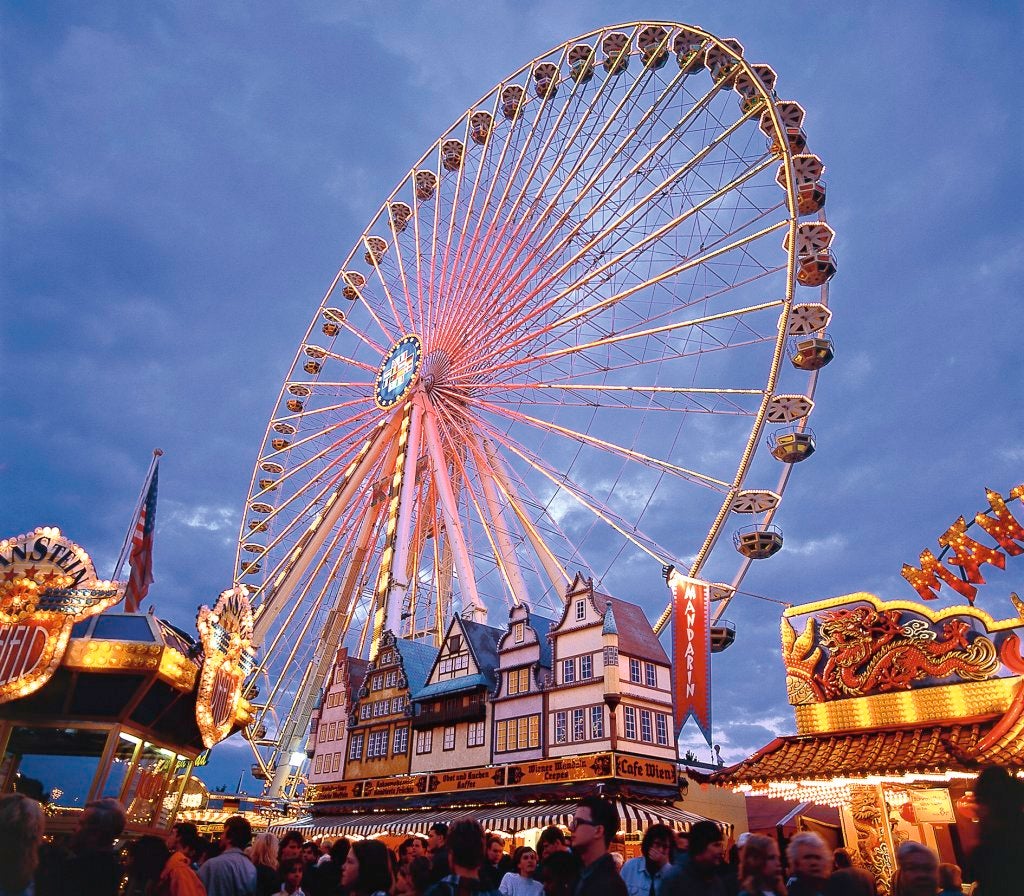
That was the beginning of the history of the Viennese people’s favourite place for relaxing and for Sunday walks. The Prater area today is not only a natural park; there are also plenty of restaurants, playgrounds and sports facilities. On the side closer to the centre is the famous funfair with the Giant Wheel, the Riesenerad, which has become one of the symbols of the city on the Danube. The structure, roughly 65 metres high, is also the oldest attraction of its kind in the world.
The wheel was in fact set turning back in 1897, to mark 50 years of Emperor Franz Joseph’s reign. It partly burned down during the Second World War, but in 1947 it started turning again and works to this day.
A ride around the ring
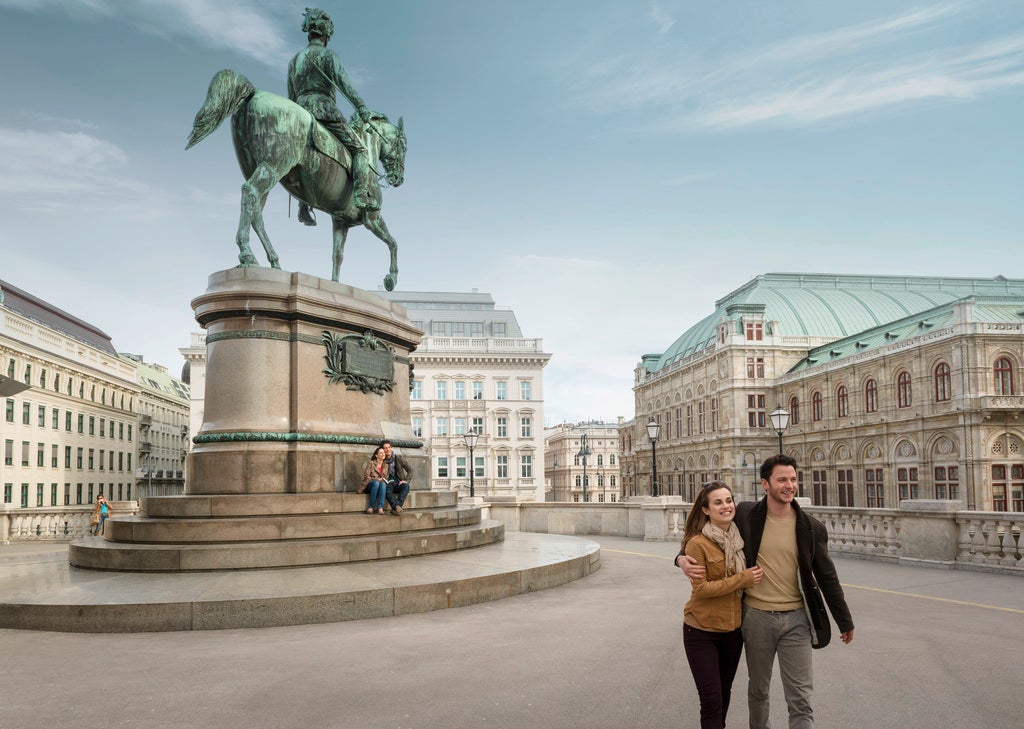
A sightseeing ride in the true sense of the word is what the central ring road, the Ringstraße, promises. It encircles the most beautiful buildings in Vienna. Standing on it are the State Opera, the Austrian parliament, the Burgtheater, the city hall and several museums, among others.
The buildings are elegant examples of the neo-Renaissance, neo-Gothic and neo-Baroque styles. The ring also runs past the Hofburg, the complex of palaces the emperors once lived in. Today it is the seat of the Austrian president.
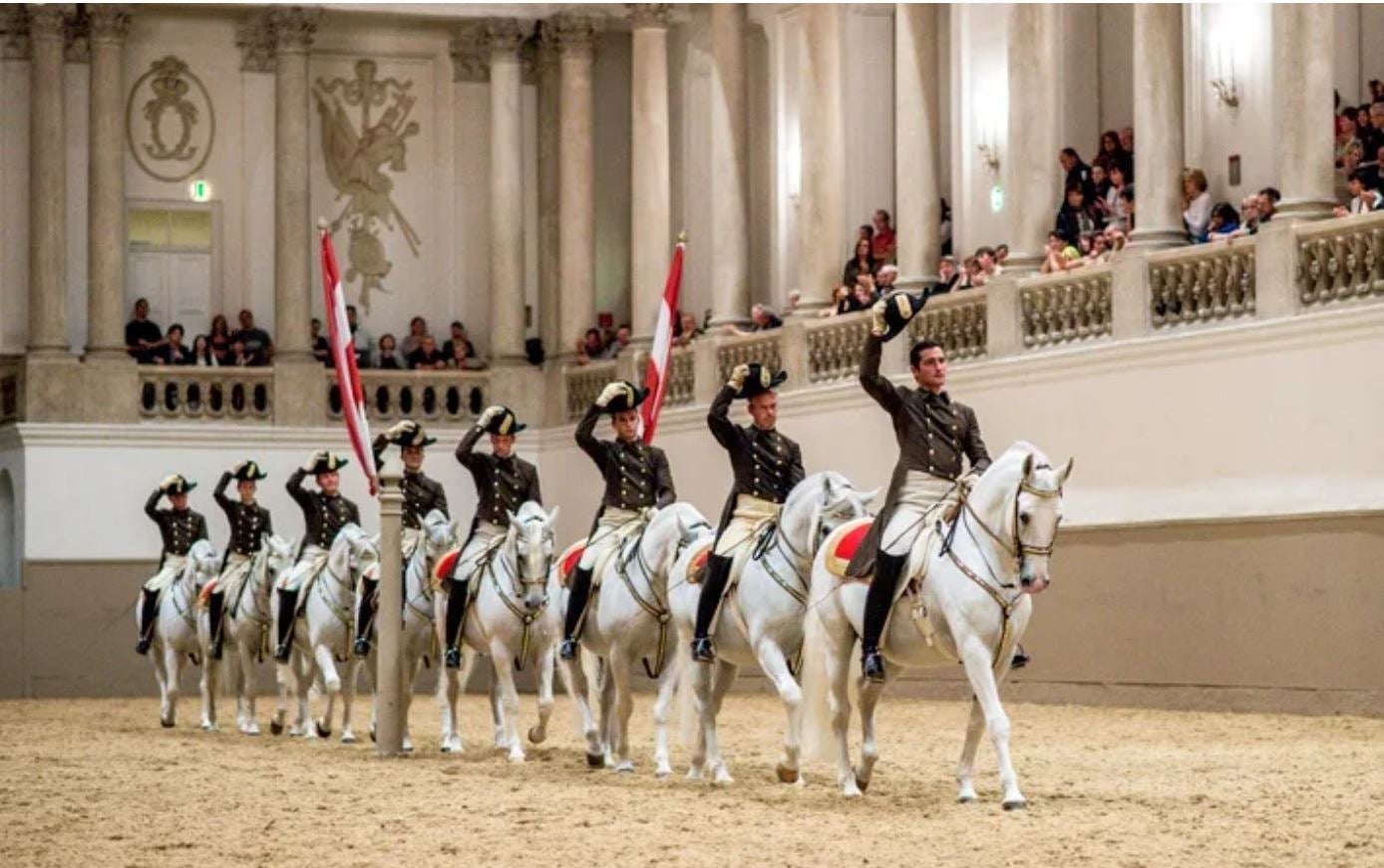
This is how the Lipizzaners ride
Part of the Hofburg complex is the Spanish Riding School. This baroque building is the setting for daily public training sessions and for displays of the riders’ skills on perfectly trained Lipizzaner horses. The gala performances are accompanied by music, to whose rhythm the horses move with such discipline and precision that it resembles a dance.
Schönbrunn palace: 1,440 rooms and a kitchen
At the height of their power the Habsburgs built themselves a supreme residence in Vienna as well. At the start of the 18th century, when their far-flung dynasty ruled half of Europe, they built the extensive Schönbrunn summer estate. They did not have to think too hard about where the furniture would fit.
The rococo palace has 1,440 rooms. The meticulously kept, symmetrical gardens cover more than two square kilometres. It is no accident that the whole conception of the park and the palace recalls Versailles in France. That was what Schönbrunn was modelled on, and it was meant to rival the pride of French architecture, just as the Habsburg empire tried to rival France in power politics.
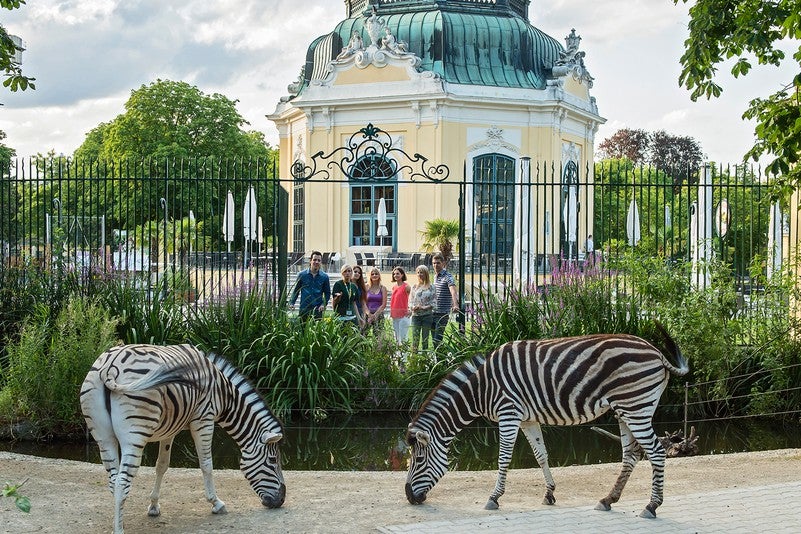
The estate, which is open to the public today, also includes a zoo – the oldest zoological garden in the world. It has been running since 1752. Visitors here find some 700 species of animal, including pandas, rhinos and polar bears.